What Are the Types of Liver Transplant?
A liver transplant replaces a diseased liver with a healthy liver. The new liver may be from a donor who has recently died (deceased donor) or a healthy living donor. There are two main types of liver transplant:
Deceased Donor Transplant:
This is the most commonly performed transplant procedure in which the liver is obtained from a recently deceased donor. Prior to the operation, doctors ensure that the liver is healthy and that the donor did not have any transmissible diseases or cancers.
Living Donor Transplant:
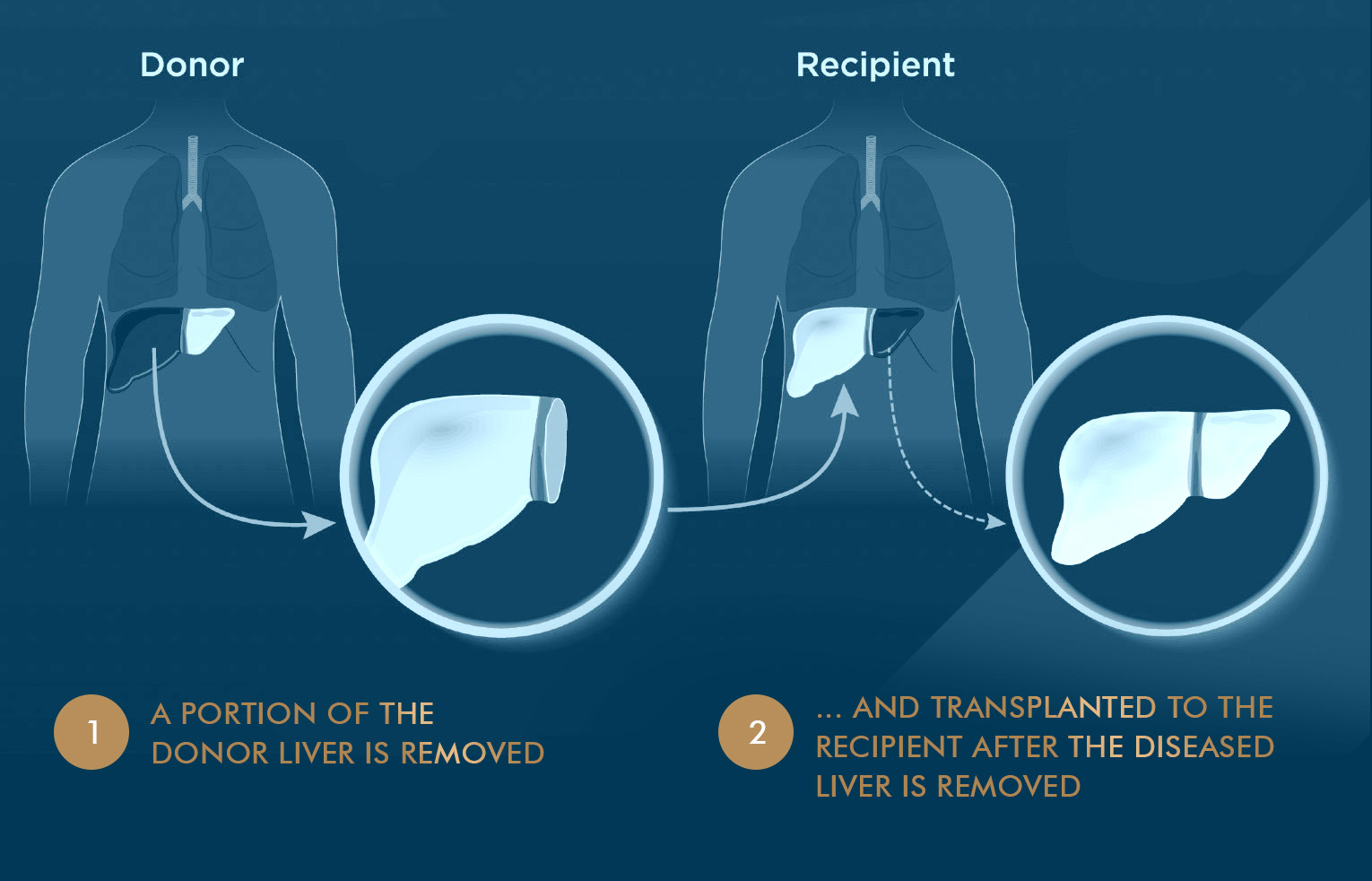
During an adult living-donor transplant, a healthy person will donate part of his or her liver to a person with a diseased liver. The new and remnant livers can regenerate and both the patient and donor will end up with fully functional livers after a successful transplant.
For patients waiting for a life-saving liver transplant, living donor liver transplantation offers many benefits including shorter wait time, faster recovery, and better outcomes compared to deceased donor liver transplant.
What Is the Process of Liver Transplant?
Before undergoing liver transplantation in Singapore, patients must complete a series of pre-transplant assessments to ensure their suitability for the procedure. This includes consultations, diagnostic imaging tests and blood work. Results of these pre-assessments will help doctors check how severe the illness is, how urgent the need for a transplant is.
In Living Donor liver transplant, the most appropriate donor will be selected, counselled and undergo a series of pre-transplant assessments to ensure their suitability for the procedure. The blood type and body size of the donor have to match the person receiving the transplant.
During transplant surgery, the transplant team replaces the diseased liver with a donated, healthy liver. Liver transplant surgery usually takes between 6 - 12 hours.
What Happens After Liver transplantation
After the transplant surgery, the recipient may need to stay in the hospital for several weeks while the transplant team monitors how well the body is accepting the new liver. Medicines will be given to control any pain and prevent infection. The recipient will start taking immunosuppressive medicine to prevent rejection of the new liver.
Donor usually stays about a week or less in laparoscopic cases.
It is important for the recipient and caregivers to be familiar with the medicines and to report any side effects. After a liver transplant, the recipient will undergo regular blood tests and occasional liver biopsies to make sure there is no rejection of the new liver. It is very important to have regular follow-up with transplant team.