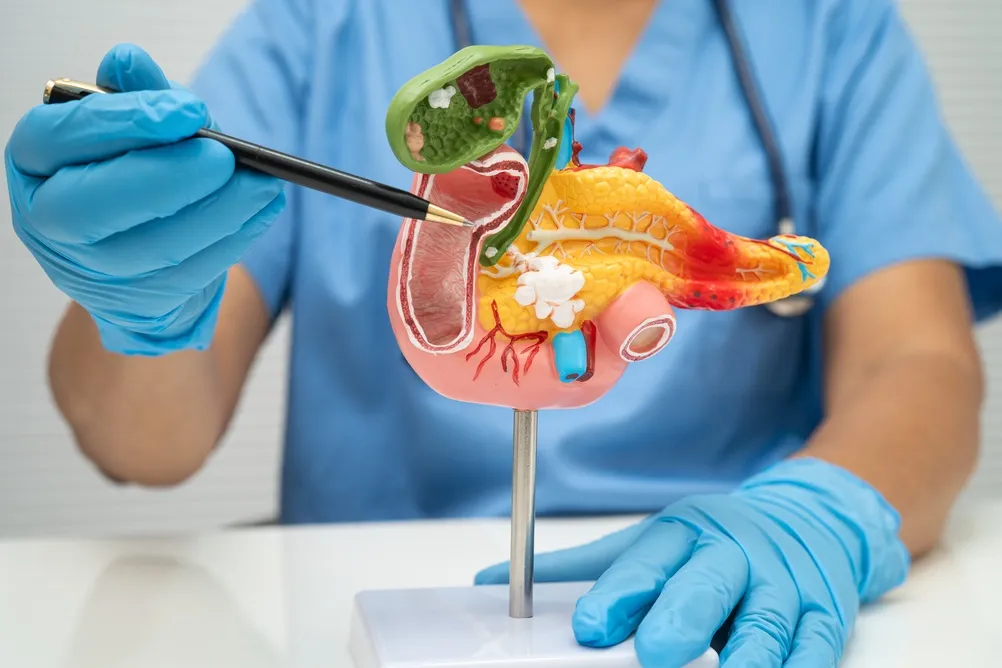
What Tests Are Used to Assess Liver and Pancreatic Tumours Before Surgery?
Assessing liver and pancreatic tumours typically involves imaging and blood tests, while a biopsy may be recommended when additional information is needed to guide diagnosis or treatment planning.
-
Imaging Tests
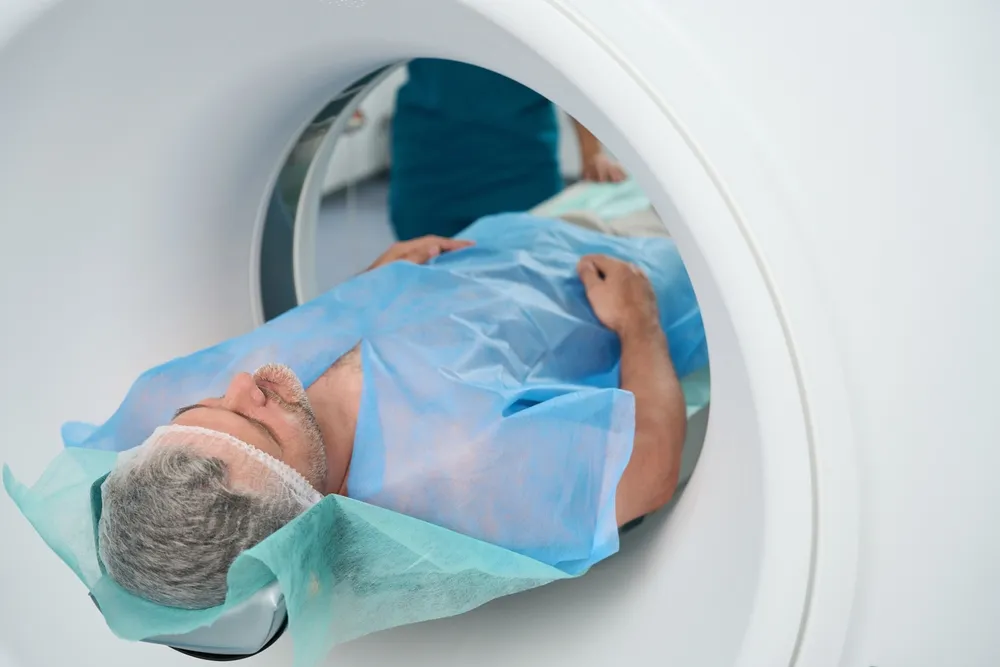
CT and MRI scans help doctors assess the tumour’s size, location and relationship with nearby blood vessels or bile ducts. They can also show whether other areas of the organ are affected or whether the disease has spread elsewhere.
For pancreatic tumours, a specialised pancreas-protocol CT scan provides detailed images of the pancreas and surrounding blood vessels. Endoscopic ultrasound may also be used to examine the tumour more closely or obtain a tissue sample when necessary.
-
Blood Tests and Biopsy
Blood tests help doctors assess liver function and other aspects of the patient’s health before surgery. Tumour markers, such as alpha-fetoprotein (AFP) for liver cancer and CA 19-9 for pancreatic cancer, may also provide additional information, although they cannot independently confirm or rule out cancer.
A biopsy is not always necessary, particularly when imaging findings are sufficient to establish the diagnosis and guide treatment. However, tissue sampling may be recommended when the diagnosis remains uncertain or when confirmation is required before certain treatments. For pancreatic tumours, this can be performed using endoscopic ultrasound.
How Do Doctors Decide Whether a Liver or Pancreatic Tumour Can Be Removed With Surgery?
Once the test results are available, doctors assess whether the tumour can be removed completely without creating an unacceptable surgical risk.
-
Surgical Considerations for Liver Tumours
For liver tumours, surgeons assess how much healthy, functioning liver tissue would remain after removing the tumour. The remaining liver must be sufficient to support the body’s needs following surgery.
This assessment considers the tumour’s location, the amount of liver tissue that would need to be removed and the condition of the surrounding liver. Underlying liver diseases, such as cirrhosis or chronic hepatitis, can affect liver function and the extent of surgery that can be performed safely.
When planning liver cancer treatment in Singapore, doctors therefore consider both the feasibility of tumour removal and whether the remaining liver can function adequately after surgery.
-
Surgical Considerations for Pancreatic Tumours
For pancreatic tumours, the relationship between the tumour and nearby major blood vessels is a key consideration. Tumours that involve these vessels can be more difficult to remove completely and may require additional treatment before surgery can be considered.
The patient’s overall health and ability to tolerate a major operation are also important. When planning pancreas surgery in Singapore, doctors assess factors such as heart and lung health, existing medical conditions and the potential risks of the procedure.
How Is the Treatment Plan Decided After the Tumour Assessment?
Even when a tumour can be surgically removed, an operation may not be the most appropriate first step. Doctors consider the assessment findings alongside the available treatment options to determine the most suitable approach.
-
Multidisciplinary Treatment Planning
Treatment decisions for liver and pancreatic cancers may involve a multidisciplinary team of surgeons, oncologists, radiologists and other relevant specialists.
By reviewing the tumour findings, the patient’s overall health and the available treatments together, the team can develop a coordinated plan that considers both the benefits and risks of each approach.
-
Timing and Sequence of Treatment
For some pancreatic cancers, chemotherapy, sometimes combined with radiotherapy, may be recommended before surgery. This approach may be considered when the tumour involves or lies close to major blood vessels, with the aim of improving the prospects of successful surgical removal.
For liver cancer, treatment planning may involve surgery or other approaches, such as ablation, embolisation or systemic therapy, according to the tumour’s characteristics, liver function and overall disease stage.
When surgical suitability is uncertain or different treatment recommendations have been given, seeking a second surgical opinion can provide an additional review of the imaging findings and proposed treatment plan before proceeding.
Discuss Liver and Pancreatic Cancer Treatment Options With Dr Lee Ser Yee
If you have been diagnosed with a liver or pancreatic tumour, a surgical assessment can help clarify whether an operation is possible and how it may fit into your treatment plan.
At Surgical Associates, liver and pancreatic conditions are assessed within a multidisciplinary approach to cancer care. Care is led by Dr Lee Ser Yee, a senior consultant hepatopancreatobiliary surgeon with advanced training in HPB surgery and surgical oncology. Dr Lee’s experience in complex liver and pancreatic conditions can help patients understand whether a tumour can be safely removed, what type of operation may be appropriate and how surgery fits into the wider treatment plan.
If you would like to discuss your treatment options, make an appointment with Surgical Associates for an individual assessment.