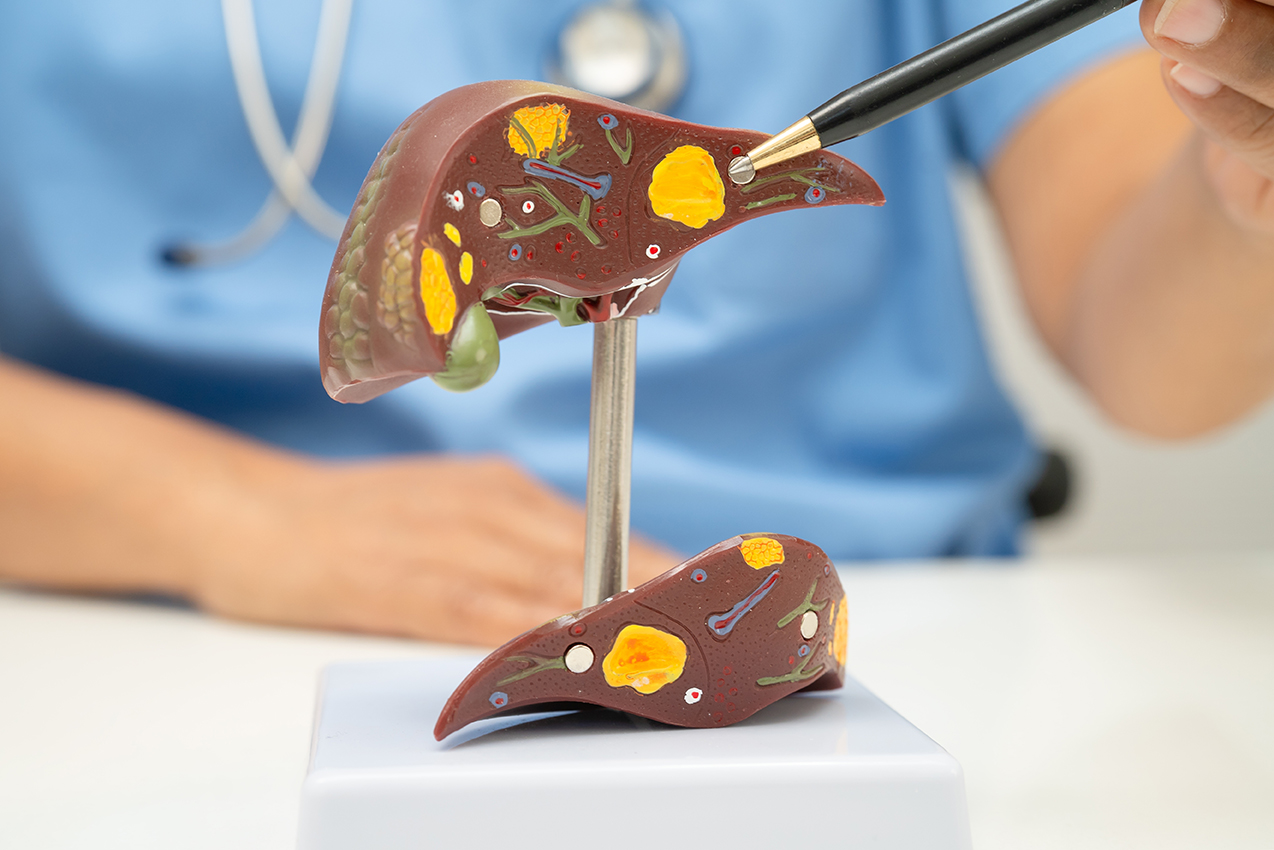
How Fatty Liver Disease Is Usually Managed
For most individuals, treatment focuses on slowing or reversing disease progression while reducing strain on the liver.
Management commonly includes:
Lifestyle Modifications
Weight reduction, dietary adjustments and regular physical activity may help reduce liver fat and improve overall metabolic health.
Treatment of Underlying Medical Conditions
Controlling diabetes, high cholesterol and blood pressure can play an important role in limiting further liver damage.
Ongoing Monitoring
Blood tests, liver scans and imaging studies may be used to monitor changes and assess whether the condition remains stable.
When Might Surgical Intervention Be Considered?
Although fatty liver disease itself is usually managed without surgery, certain circumstances may lead specialists to consider procedural or surgical treatment.
Severe Obesity Contributing to Disease Progression
Excess body weight may significantly contribute to the progression of liver disease in certain cases. When substantial weight reduction has not been achieved through lifestyle measures alone, bariatric surgery may be considered.
Procedures designed to support weight loss can help improve metabolic health and may reduce liver fat accumulation in selected patients.
Advanced Liver Cirrhosis
Long-standing inflammation may eventually result in cirrhosis, where healthy liver tissue becomes replaced by scar tissue.
Advanced cirrhosis can lead to complications such as:
- Fluid accumulation within the abdomen
- Internal bleeding
- Liver failure
- Increased risk of liver cancer
When liver function becomes severely compromised, liver transplantation may become a consideration.
Liver Cancer Associated With Fatty Liver Disease
Some individuals with advanced liver disease may develop liver tumours.
Depending on the size, location and stage of the cancer, treatment options may include:
- Surgical removal of liver tissue
- Ablation procedures
- Liver transplantation
- Other specialised therapies
Treatment recommendations vary according to individual circumstances and overall health status.
Why Early Assessment Remains Important
Because fatty liver disease may remain silent for years, delaying evaluation can allow progression to occur unnoticed.
Seeking medical assessment earlier may help:
- Identify risk factors
- Detect complications before symptoms worsen
- Guide appropriate investigations
- Create an individualised management plan
Even if hepatopancreatobiliary (HPB) surgery is not required, understanding your condition allows for more informed decisions regarding long-term health.
Taking Steps Towards Better Liver Health
Although surgery is not commonly needed for fatty liver disease, understanding when treatment may move beyond lifestyle measures and medication can provide greater clarity and reassurance. Early evaluation may help identify changes before complications develop and support more effective long-term management.
At Surgical Associates, a colorectal and hepatopancreatobiliary clinic in Singapore, patients receive detailed evaluation and management tailored to their individual needs. The clinic provides consultation and follow-up for digestive and bowel-related conditions, including risk assessment, diagnostic investigations and personalised treatment planning where appropriate.
Led by Dr Lee Ser Yee, Senior Consultant Hepatopancreatobiliary Surgeon, and Dr Tan Wah Siew, Senior Consultant Colorectal Surgeon, the team brings subspecialist expertise in colorectal and digestive care to provide coordinated and comprehensive treatment.
If you are seeking greater clarity about fatty liver disease or would like personalised guidance on the treatment options available, reach out and schedule a consultation today.